Creating a unique glassware piece inspired by such an iconic symbol as the Eiffel Tower represents a true creative...
%5B1%5D.png)
Latest posts
-
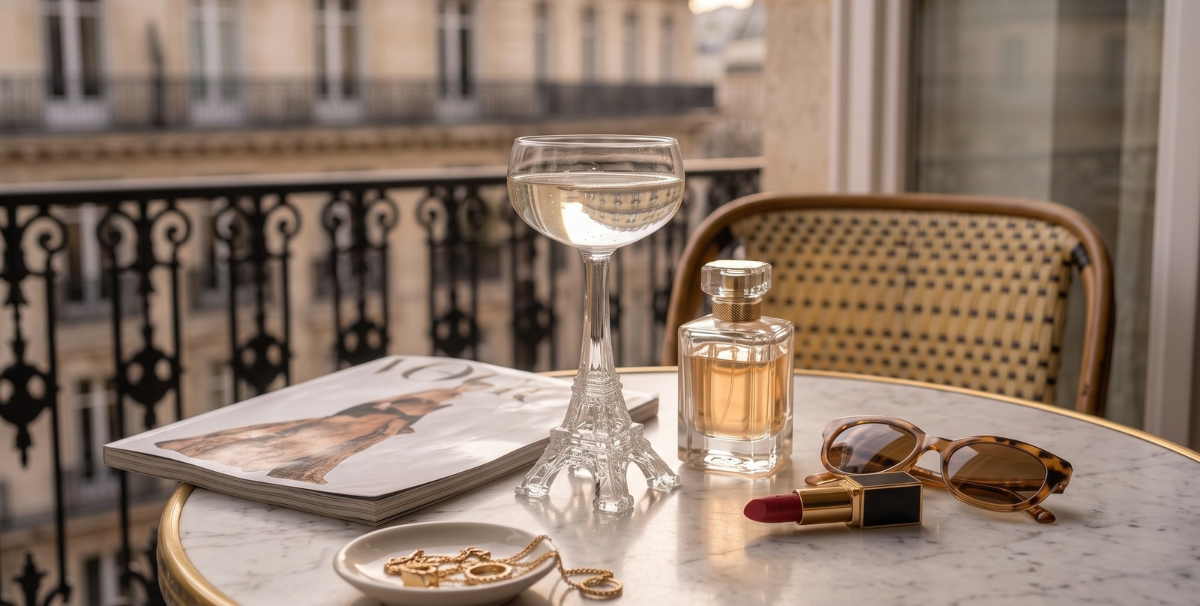 A custom glass inspired by the Eiffel Tower: A look back at an AllGlass projectRead more
 -
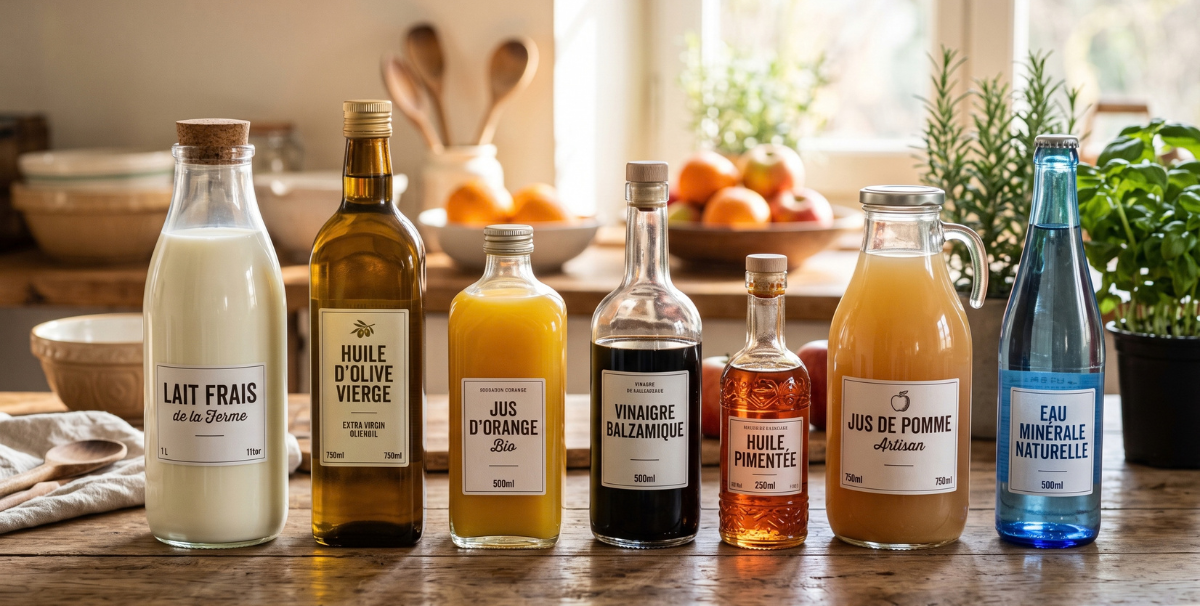 Glass bottle: How to choose the right one for your needs?Read more
The glass bottle is an essential container for many professionals. Elegant, versatile and suitable for a wide range...
-
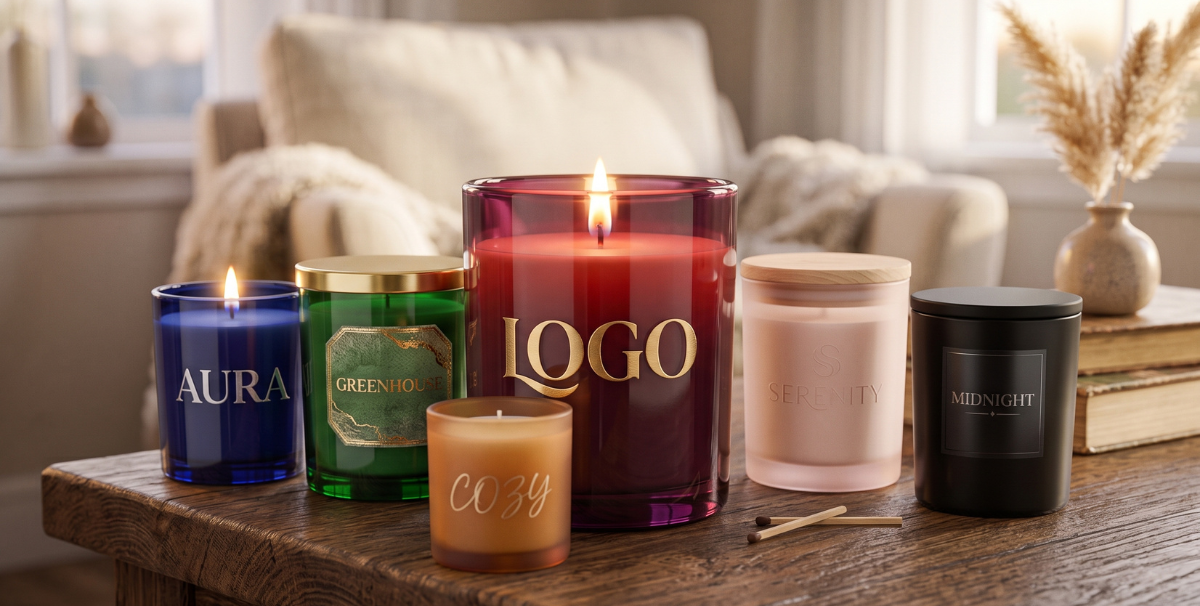 How to choose your candle container supplier? The complete guide for professionalsRead more
Choosing the right candle container supplier is an important decision for a brand, a candle maker or a candle...
-
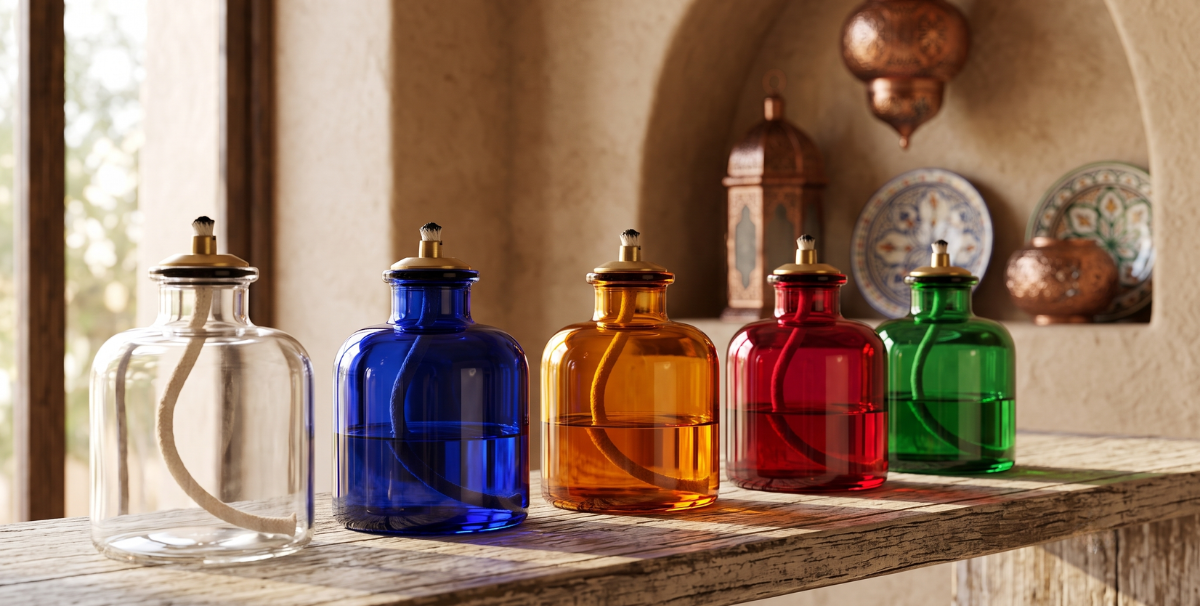 Why choose a glass oil lamp for your decoration ?Read more
At a time when interior design trends favor authentic materials and sustainable objects, the glass oil lamp is making...
-
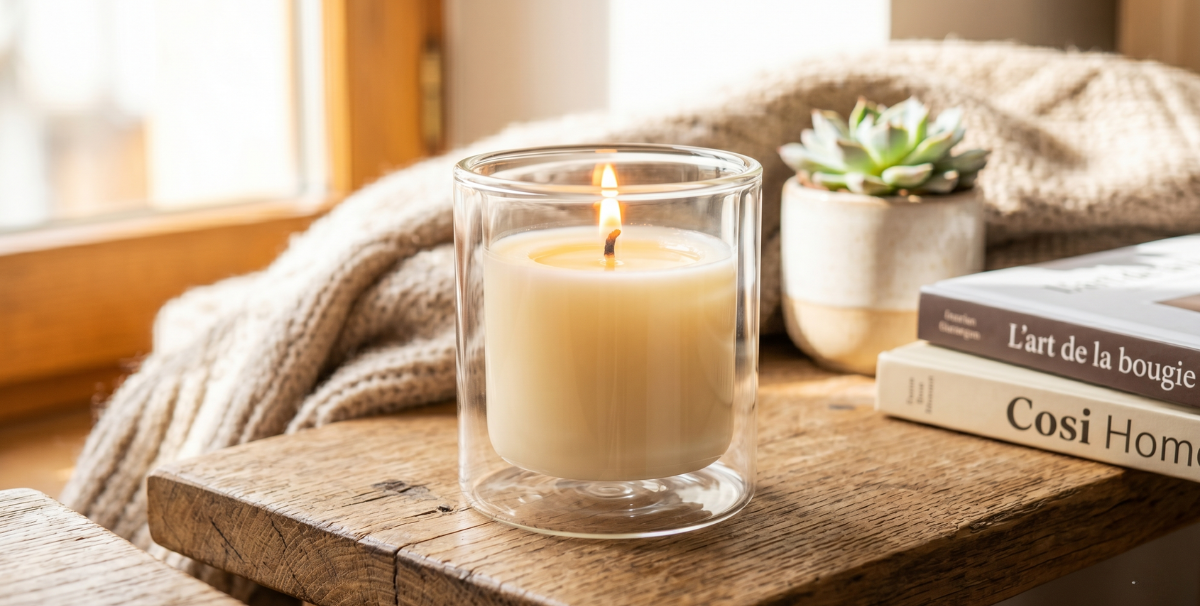 Double-walled candle jar: A design innovation to elevate your premium collectionsRead more
In the highly competitive world of scented candles, the container is no longer just an accessory: it is the primary...
-
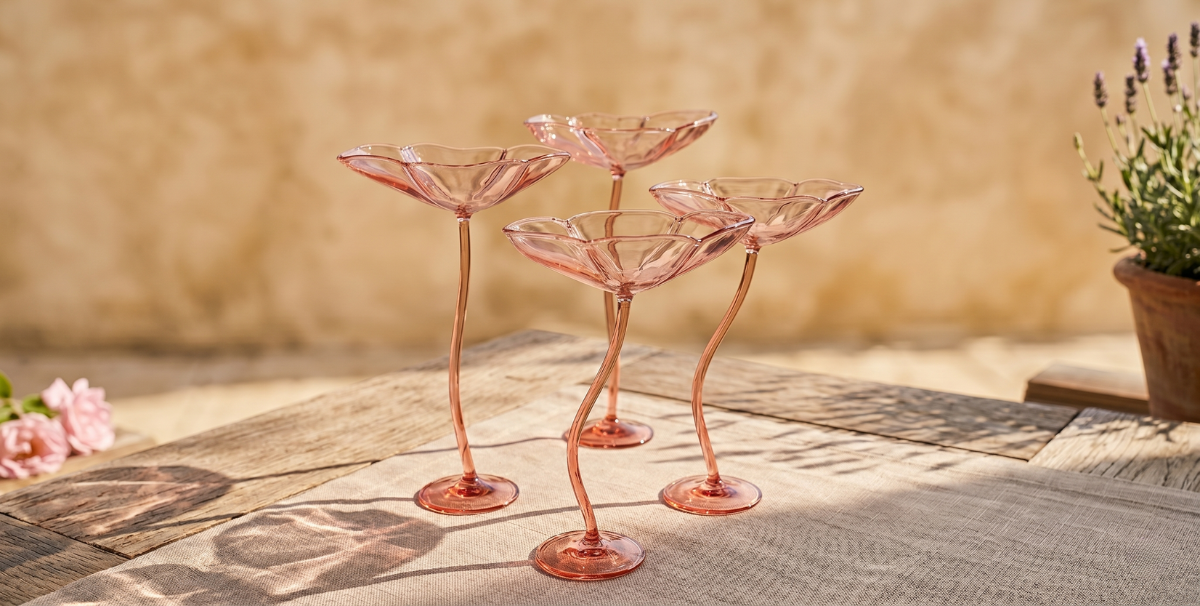 Custom-made crystal glasses: when glassware becomes a work of artRead more
In the hospitality, restaurant, events, and luxury sectors, the customer experience is no longer limited to the...
-
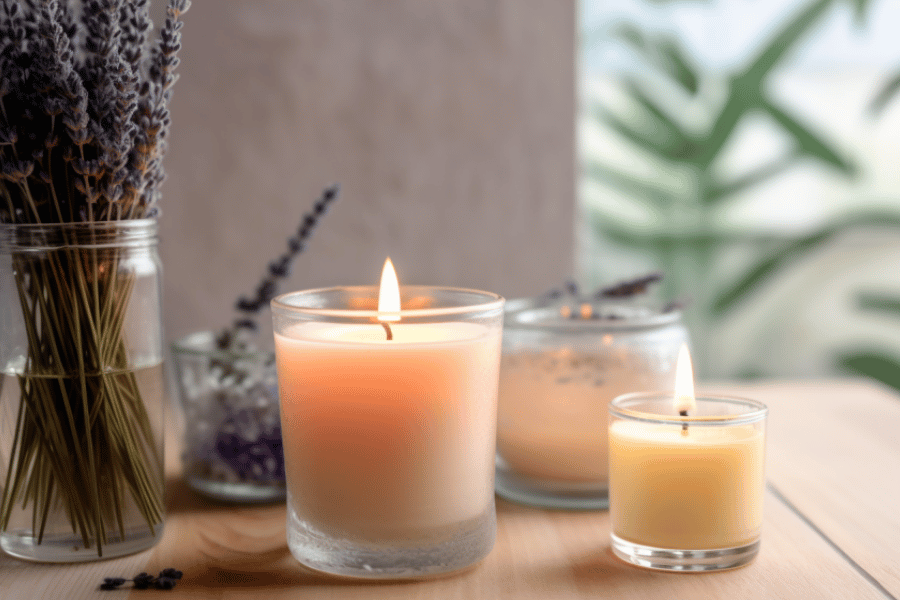 How to make a handmade scented candle?Read more
Making your own scented candles at home or in a workshop is within everyone's reach—provided you understand the...
-
 Next-generation unbreakable glasses: the look of glass, without the breakageRead more
A revolution in the world of glassware: Tritan glass While glass has long been synonymous with elegance,...
-
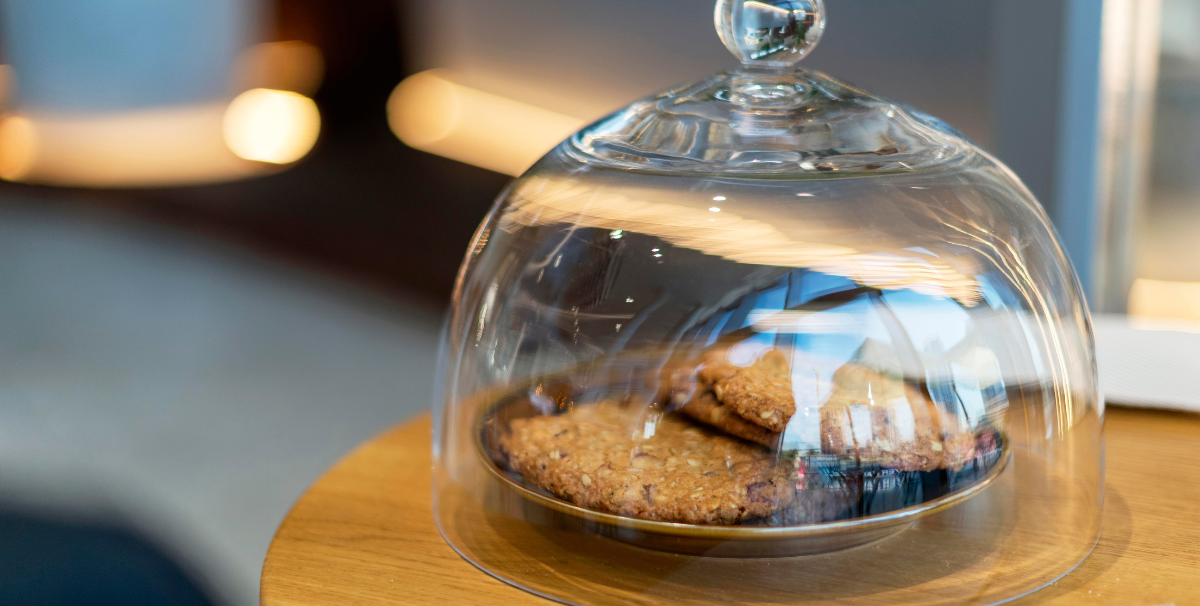 Glass domes : the perfect accessory to showcase your pastries and sweetsRead more
In the world of pastry, every detail matters when it comes to offering your customers an unforgettable experience....
-
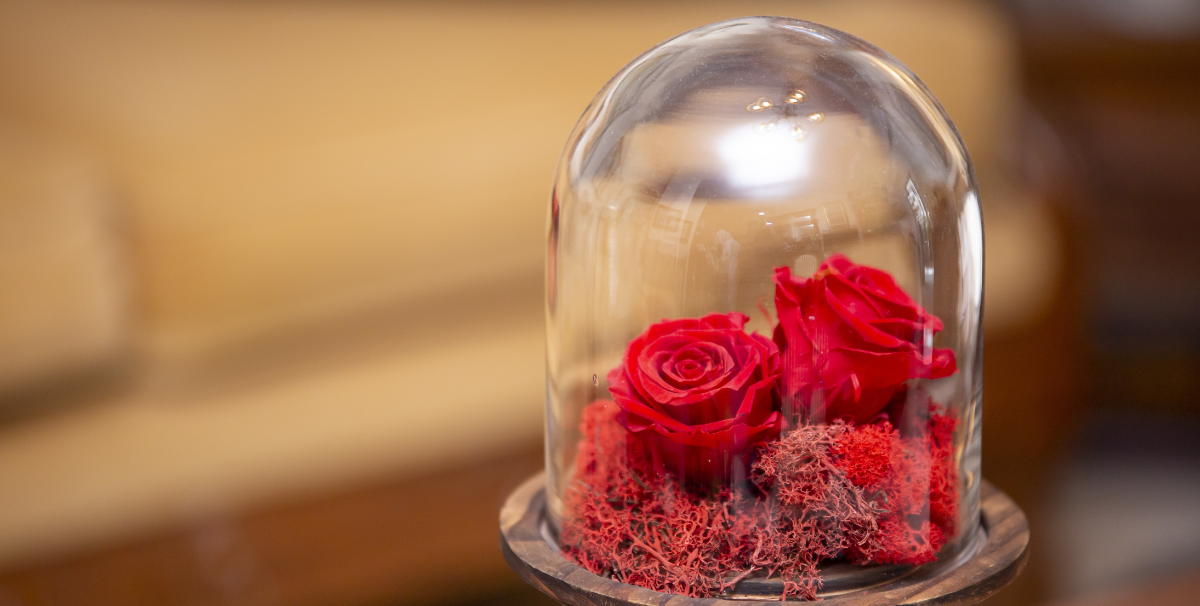 Glass Domes: the perfect accessory to elevate your decor and flowersRead more
Glass domes have become a staple in the world of interior design. Elegant and versatile, they bring a touch of...
Blog categories
Search in blog
Are glass packaging materials more eco-friendly?
-
 Glass decoration ideas for spring
Spring is the season of lightness, freshness, and renewal. It’s the perfect time to refresh your interior decor and...Read more
Glass decoration ideas for spring
Spring is the season of lightness, freshness, and renewal. It’s the perfect time to refresh your interior decor and...Read more -
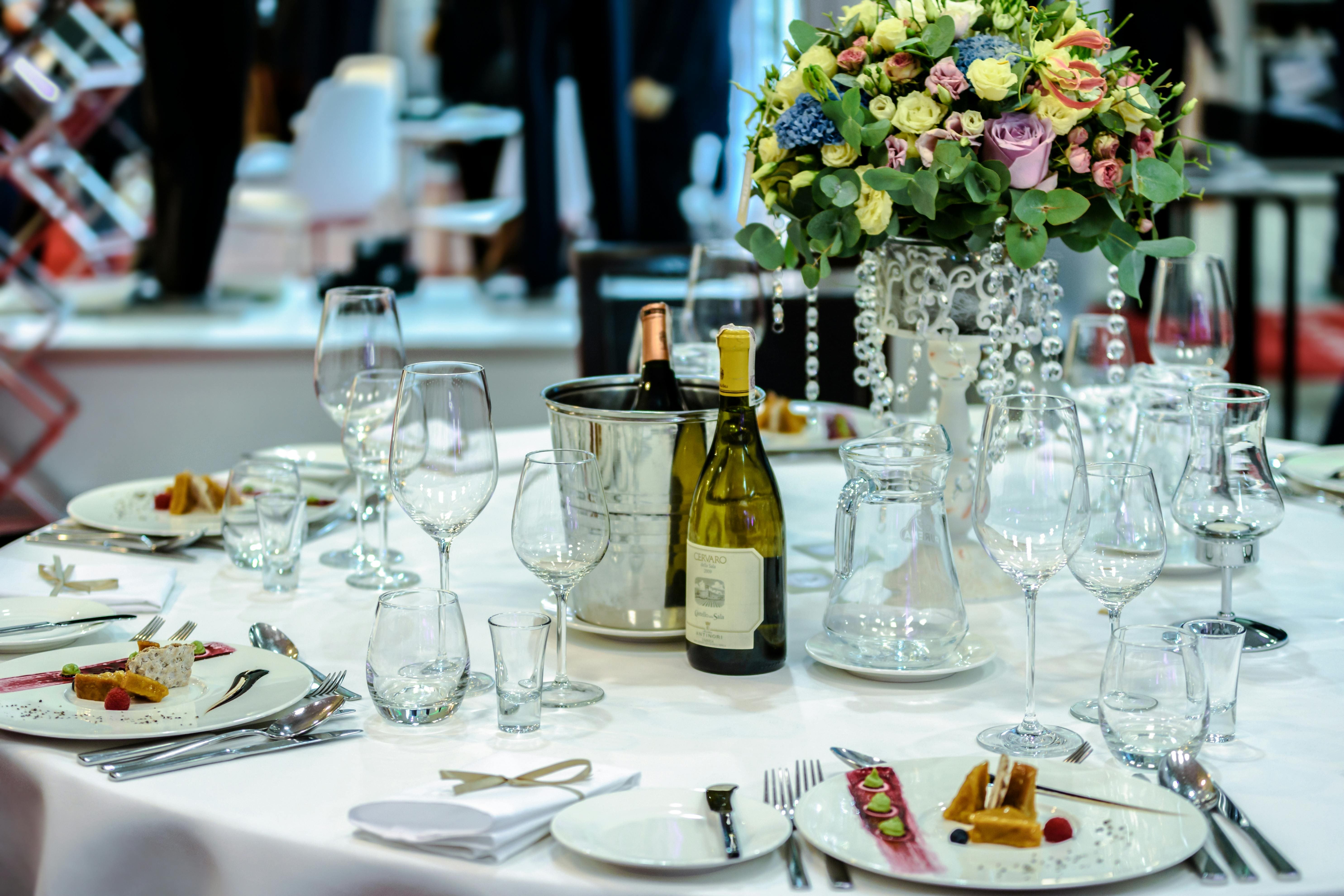 How to choose the ideal glassware to showcase your culinary creations?
In the world of gastronomy, aesthetics play a role as crucial as taste. A well-crafted presentation can transform a...Read more
How to choose the ideal glassware to showcase your culinary creations?
In the world of gastronomy, aesthetics play a role as crucial as taste. A well-crafted presentation can transform a...Read more -
 5 Reasons to use glass containers for food products
In a world where environmental awareness and product quality are becoming increasingly important criteria for...Read more
5 Reasons to use glass containers for food products
In a world where environmental awareness and product quality are becoming increasingly important criteria for...Read more -
 How to sell candles wholesale: 5 key steps to succeed
Candles are both timeless and trendy products, cherished by consumers for their warm ambiance and pleasant fragrance....Read more
How to sell candles wholesale: 5 key steps to succeed
Candles are both timeless and trendy products, cherished by consumers for their warm ambiance and pleasant fragrance....Read more -
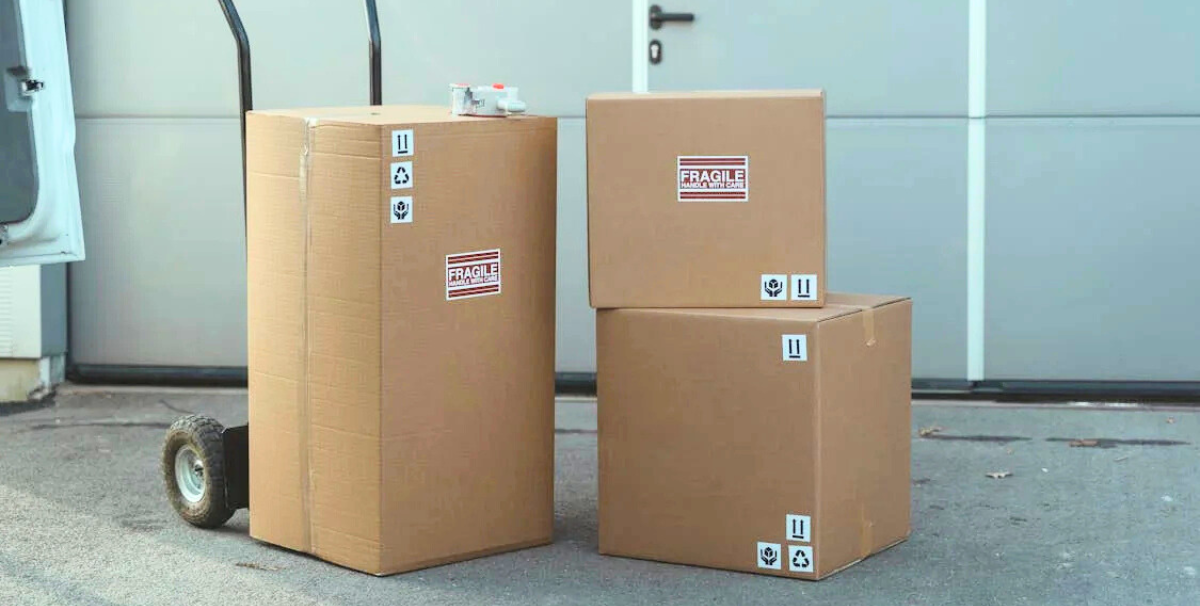 How to ship glass-packaged products safely: a guide for businesses
Shipping products packaged in glass presents a major logistical challenge for many businesses. Glass items, while...Read more
How to ship glass-packaged products safely: a guide for businesses
Shipping products packaged in glass presents a major logistical challenge for many businesses. Glass items, while...Read more