Food-grade glass bottles: the right containers for your liquids
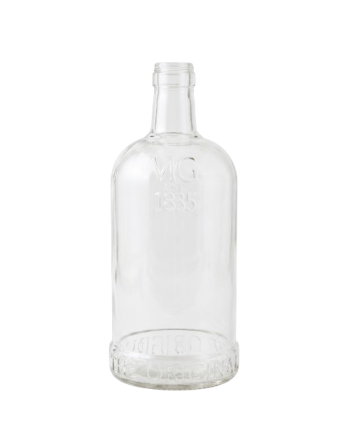
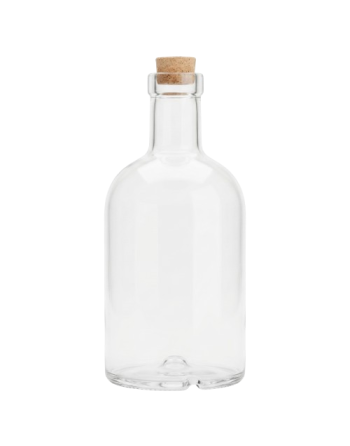
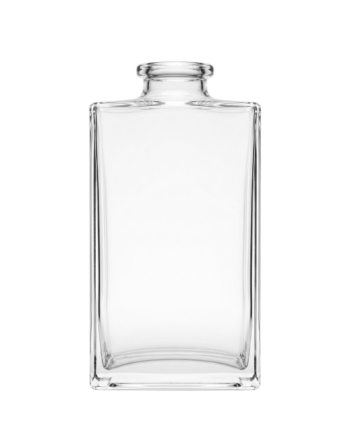
A food-grade glass bottle is designed for direct contact with food and beverages. Glass is an inert material: it does not transfer any taste or odour, does not react with acidic products such as vinegar or citrus juices, and preserves the aromas of oils and spirits. It is the preferred packaging solution for producers, caterers, delicatessens and restaurants.
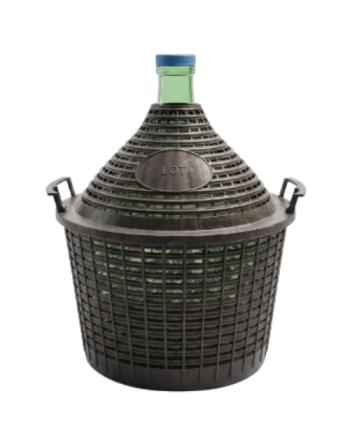
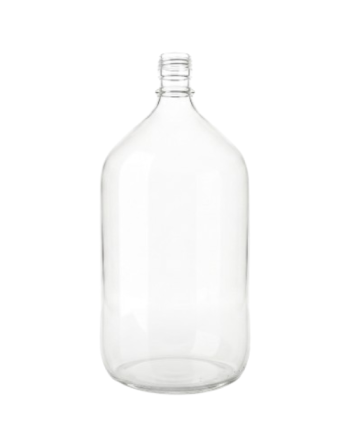
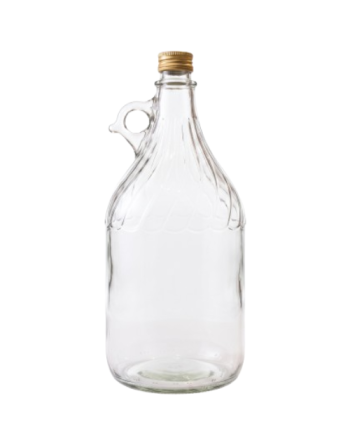
Our selection includes packaging bottles for retail sales, demijohns for storage and ageing, and large glass containers for bulk quantities.
Which food-grade glass bottle should you choose for each product?
| Product | Recommended Format | Why? |
|---|
| Olive oil, flavoured oils | Rectangular or round bottle with a narrow neck | The narrow neck makes pouring easier; storing the bottle away from light helps protect the oil |
| Vinegar, liquid sauces | Compact bottle with an airtight closure | Glass resists acidity without affecting the taste |
| Freshly squeezed juices, smoothies, flavoured water | Round bottle with a wide neck | Easier filling and cleaning |
| Syrups, homemade liqueurs | Tall, transparent bottle | The colour of the product stands out on the shelf |
| Spirits, infusions, bulk oil storage | Demijohn from 5 to 34 L | Large capacity and narrow neck to limit contact with air |
| Water, juice, wine, cider in bulk | Glass container from 3 to 15 L, with or without a handle | Ideal for everyday storage, transport and serving |
How to choose the right food-grade glass bottle
Shape
A rectangular bottle optimises shelf space and storage in shipping cartons. A round bottle is easier to hold and is well suited to beverages served at the table.
Closure
Check that the bottle neck is compatible with your chosen closure: cork, screw cap, crown cap or swing-top stopper. For fermented or carbonated beverages, choose a closure that can withstand pressure.
Hygiene
Before the first filling, wash and sterilise your bottles using very hot water, then leave them to dry upside down. Glass withstands repeated cleaning, allowing you to reuse your containers.
Labelling
A flat or slightly curved surface makes labelling easier. Make sure there is enough space for your product's mandatory information (product name, capacity, date and batch number).
Who are these products designed for?
Oil and vinegar producers, craft distilleries, syrup and juice manufacturers, caterers, restaurants, delicatessens and zero-waste shops. To display your dry goods alongside your liquids, discover our glass jars and our glassware for delicatessens and food shops. For table service, explore our glass carafes.
This selection is part of our complete glass bottle wholesale range. For a specific size or customised branding, discover our custom glassware service.
Frequently asked questions about food-grade glass bottles
How can you tell if a glass bottle is food-grade?
A food-grade bottle is specifically intended for contact with food and beverages. On our website, food-contact suitability is indicated in the specifications of each product page.
Which bottle should you choose for olive oil?
Choose a bottle with a narrow neck and a pouring stopper or cork, and store it away from light and heat. For bulk storage, a demijohn is the most suitable solution.
Can food-grade glass bottles be reused?
Yes. After washing and sterilising with very hot water, the bottle can be reused. Simply replace the stopper if it is damaged.
What is the difference between a demijohn and a large glass container?
Both are large glass containers. A demijohn, ranging from 5 to 34 L, is mainly used for storing and ageing spirits and oils. A large glass container, ranging from 3 to 15 L, is easier to handle, especially when fitted with a handle, and is suitable for water, juices and wine.
Is there a minimum order value?
Yes, the minimum order value is €500 excluding VAT, with free delivery in mainland France.