The glass bottle is an essential container for many professionals. Elegant, versatile and suitable for a wide range...
%5B1%5D.png)
Latest posts
-
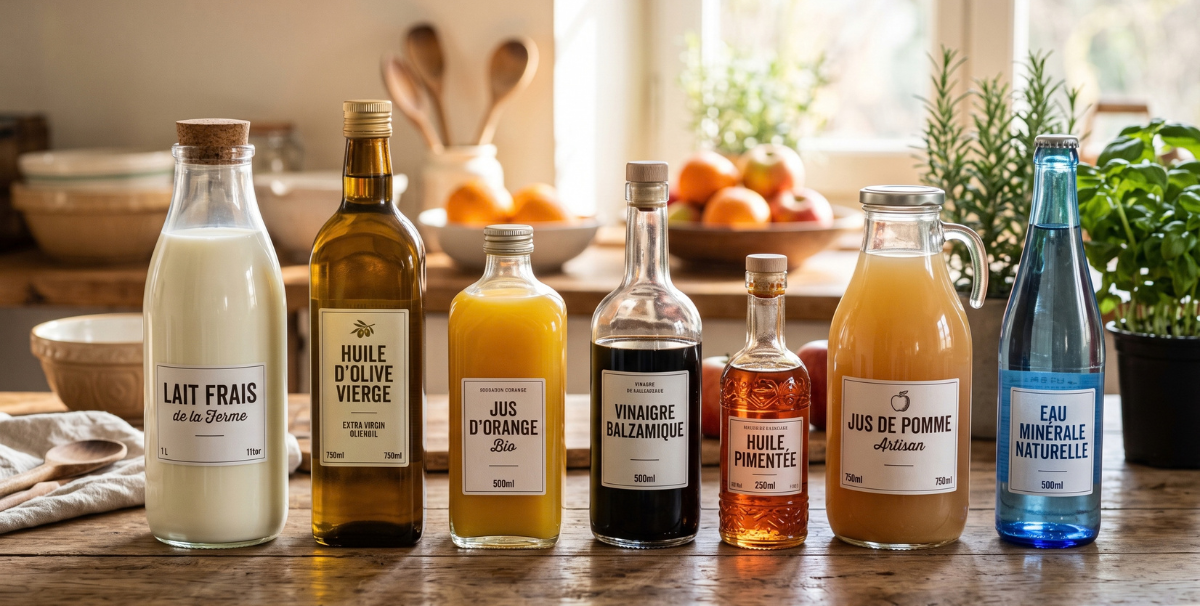 Glass bottle: How to choose the right one for your needs?Read more
 -
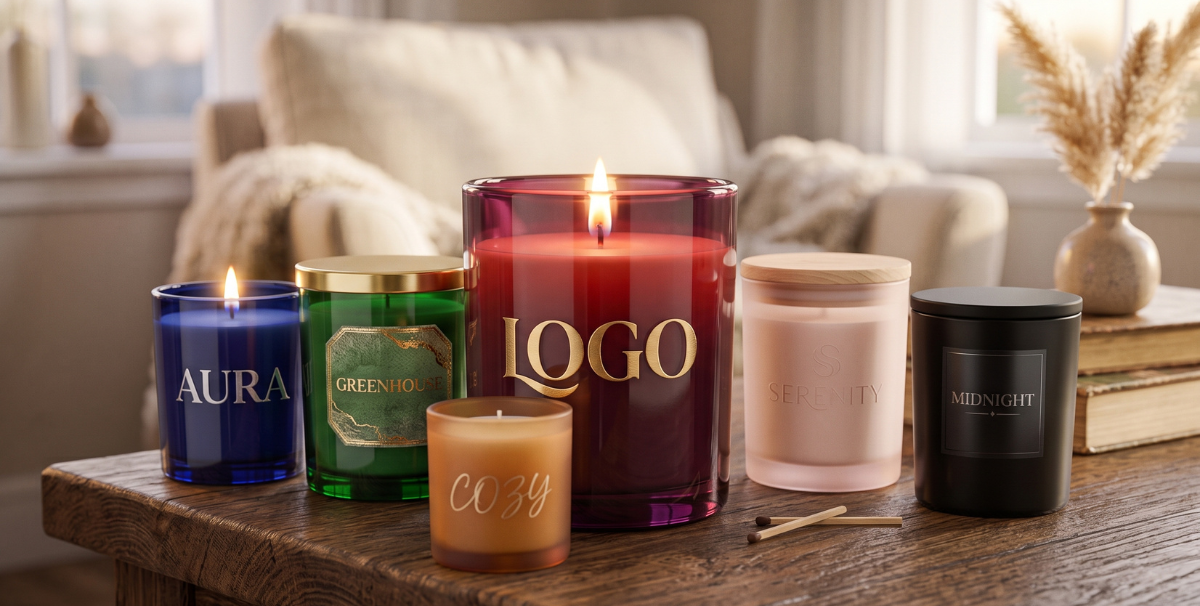 How to choose your candle container supplier? The complete guide for professionalsRead more
Choosing the right candle container supplier is an important decision for a brand, a candle maker or a candle...
-
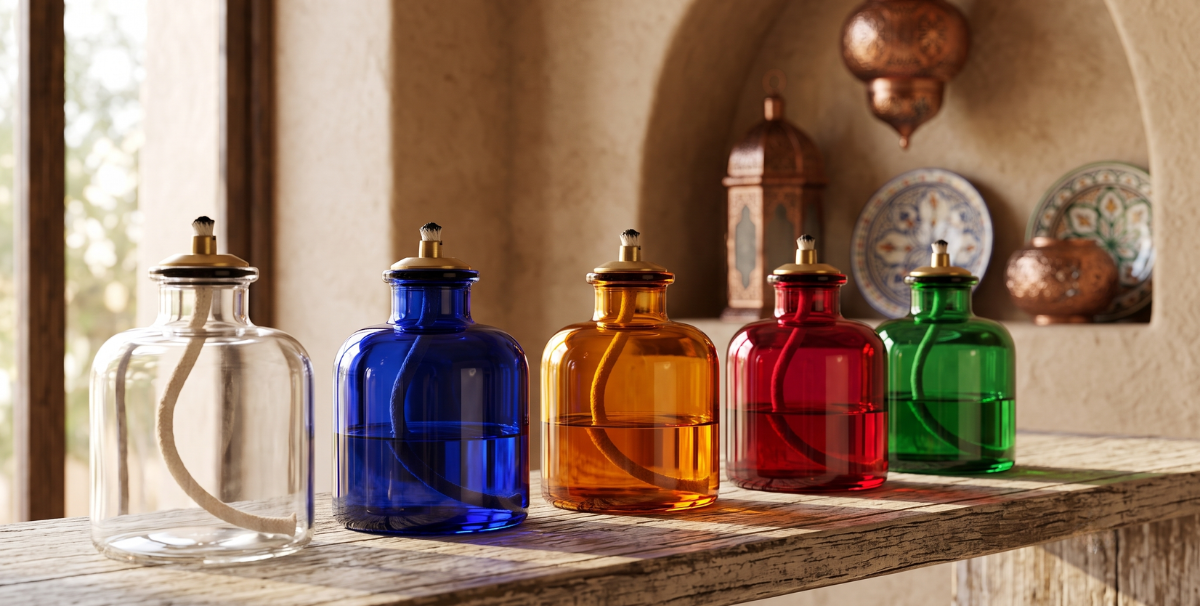 Why choose a glass oil lamp for your decoration ?Read more
At a time when interior design trends favor authentic materials and sustainable objects, the glass oil lamp is making...
-
 Double-walled candle jar: A design innovation to elevate your premium collectionsRead more
In the highly competitive world of scented candles, the container is no longer just an accessory: it is the primary...
-
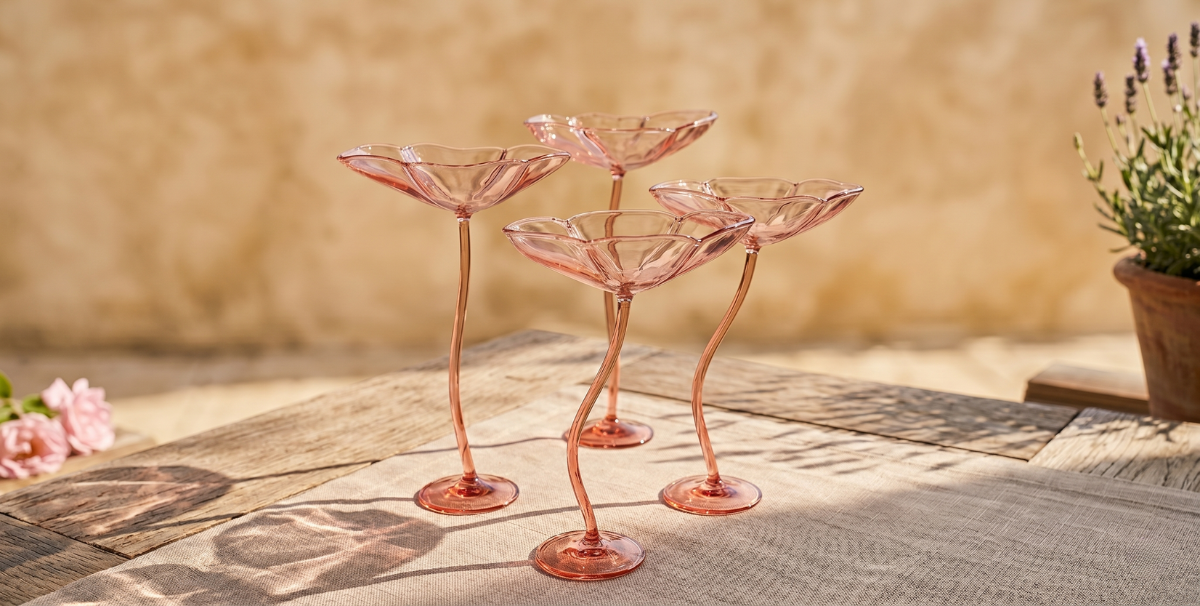 Custom-made crystal glasses: when glassware becomes a work of artRead more
In the hospitality, restaurant, events, and luxury sectors, the customer experience is no longer limited to the...
-
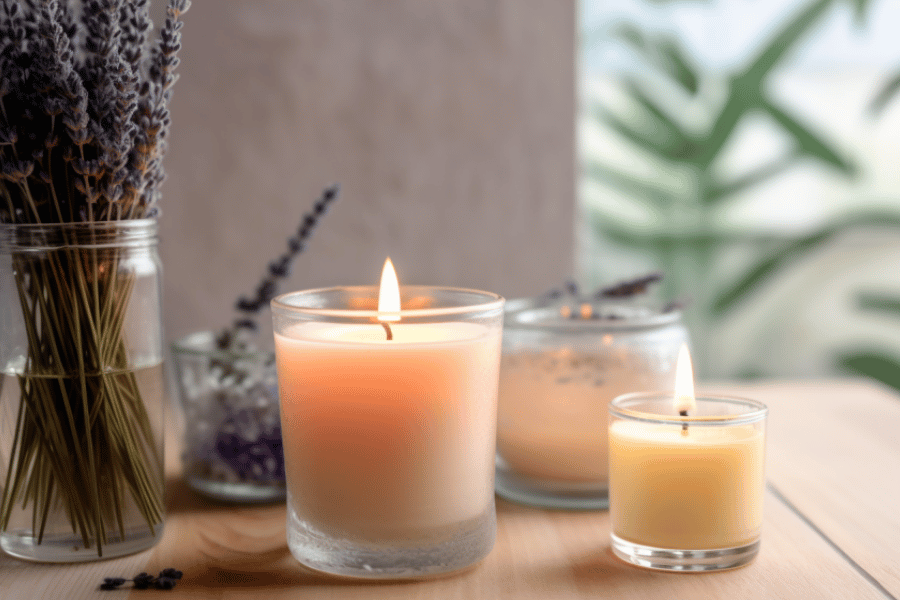 How to make a handmade scented candle?Read more
Making your own scented candles at home or in a workshop is within everyone's reach—provided you understand the...
-
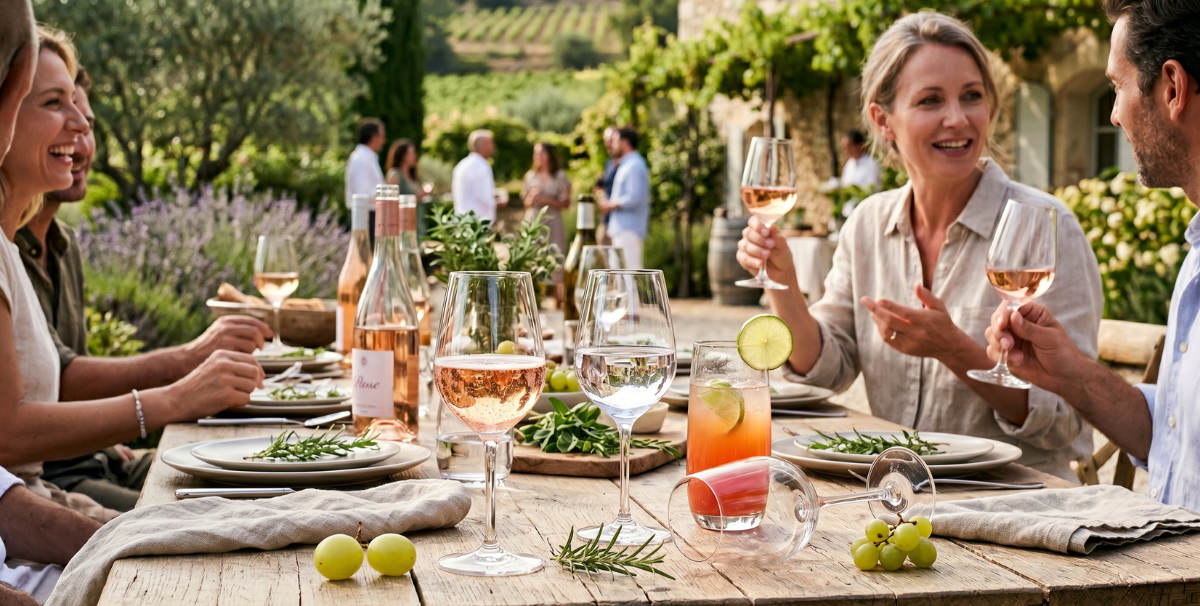 Next-generation unbreakable glasses: the look of glass, without the breakageRead more
A revolution in the world of glassware: Tritan glass While glass has long been synonymous with elegance,...
-
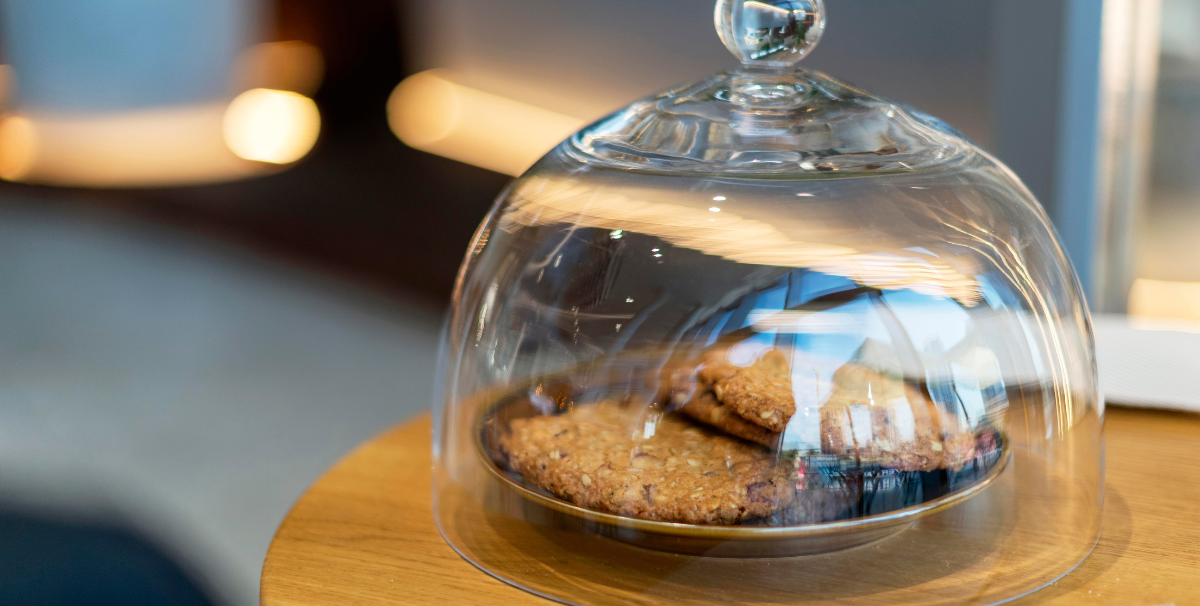 Glass domes : the perfect accessory to showcase your pastries and sweetsRead more
In the world of pastry, every detail matters when it comes to offering your customers an unforgettable experience....
-
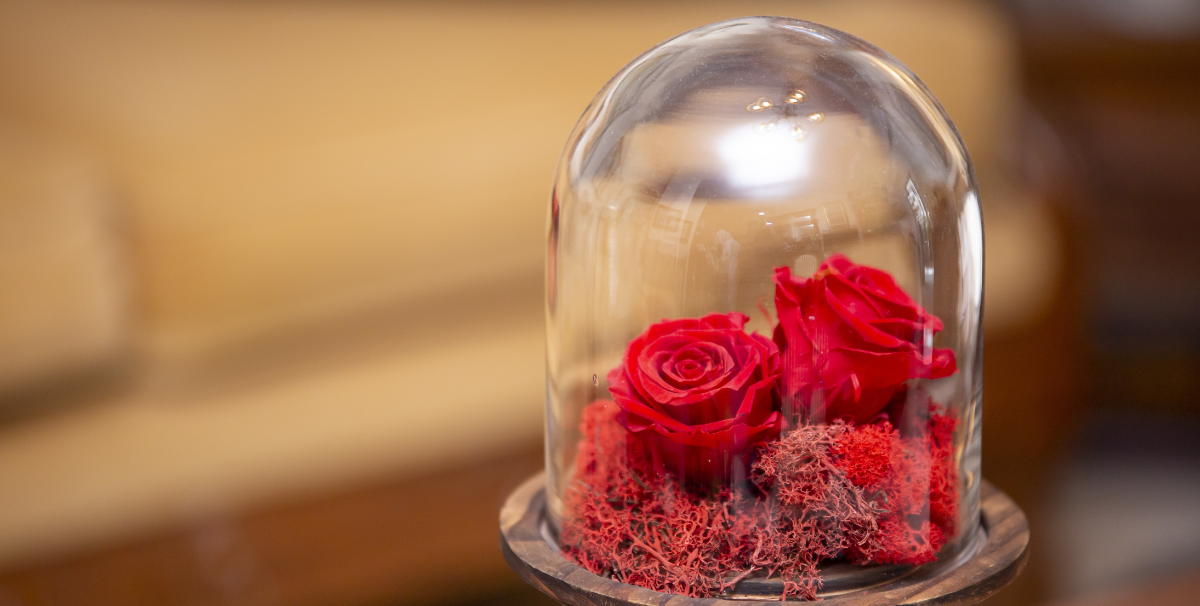 Glass Domes: the perfect accessory to elevate your decor and flowersRead more
Glass domes have become a staple in the world of interior design. Elegant and versatile, they bring a touch of...
-
 How to calculate the amount of wax needed for candle containersRead more
As a glassware wholesaler, AllGlass understands how essential it is to grasp the specific needs related to candle...
Blog categories
Search in blog
Glass bottle: How to choose the right one for your needs?
Why choose a glass bottle?
Glass has several characteristics that explain its use in many professional sectors.
A material suitable for many products
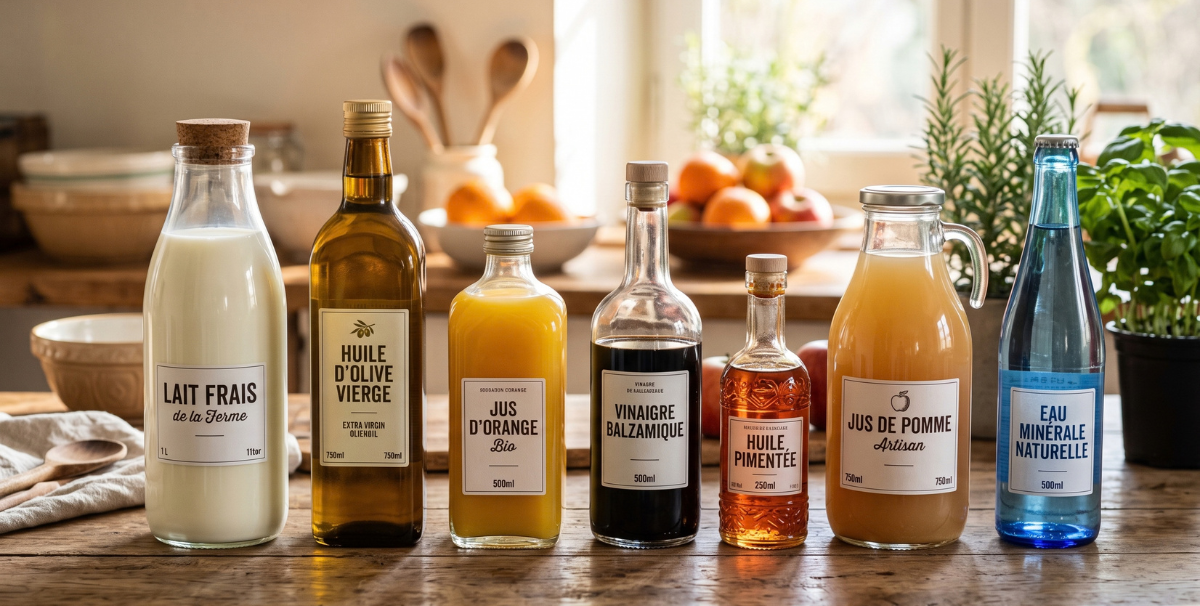
Glass bottles are used to package many food products and beverages. They can be used for water, fruit juices, syrups, oils, vinegars, artisanal beverages and certain spirits, provided that a container suitable for the intended use is selected.
For products intended to come into contact with food, it is essential to check that the container is suitable for this purpose and to follow the specified conditions of use.
Elegant presentation
Beyond its function as a container, the glass bottle also contributes directly to the presentation of the product.
Transparency makes it possible to showcase the colour and appearance of the contents. For professionals looking to develop their brand image, the shape of the bottle, its cap and its label can also contribute to the product's visual identity.
A recyclable material
Glass is a recyclable material. Collected glass packaging can be processed into cullet and then used to manufacture new glass packaging.
However, it is important to distinguish between recycling and reuse. In a reuse system, the bottle is collected, washed, inspected and put back into circulation, helping to extend its useful life.
What are the different types of glass bottles?
There is a wide variety of glass bottles to meet different professional needs.
Glass bottles for beverages
They are commonly used for:
- water;
- fruit juices;
- lemonades;
- artisanal beverages;
- syrups;
- soft drinks;
- certain alcoholic beverages.
The choice of capacity generally depends on the way the product is marketed and the type of product.
Glass bottles for oils and vinegars
Some glass bottles are specifically designed for packaging oils, vinegars and sauces.
Their shape can be cylindrical, square or more original in order to differentiate the product on a shelf or on a table.
Glass bottles for spirits
For spirits, appearance often plays a particularly important role.
The bottle then becomes a key element of the packaging. Its shape, glass thickness, colour, cap and label can all contribute to the product's positioning.
Glass bottles for artisanal creations
Craftspeople and producers also use glass to market their creations.
Choosing an original bottle can help differentiate a product and strengthen its visual identity.
How to choose a glass bottle?
Before ordering your glass bottles, several criteria should be considered.
1. Capacity
The first question to ask is what volume you need.
Depending on the product and how it is marketed, you may be looking for a small 25 to 50 cl bottle, an individual 50 to 75 cl bottle, or a larger format of 1 litre or more.
For professionals, the capacity should be consistent with:
- the packaged product;
- the selling price;
- the way the product is consumed;
- storage;
- transport;
- the final use.
2. Bottle shape
The shape plays both a functional and an aesthetic role.
A cylindrical bottle is versatile and easy to identify, while a square, rectangular or more elaborately shaped bottle can create a more distinctive presentation.
For a product sold in a shop, delicatessen or restaurant, the design of the container can contribute to the customer experience.
3. Closure type
The cap or stopper should be chosen according to the product and its intended use.
Depending on the model, different closure systems are available, including screw caps, swing-top closures, closures designed for serving and other specific solutions.
It is therefore important to check the compatibility between the bottle and its closure system before placing an order.
4. Glass colour
Clear glass is particularly useful when you want to showcase the contents of the bottle.
Other colours may be preferred depending on the product and the level of protection required.
The choice of colour can also have an aesthetic purpose and help create a consistent visual identity.
5. Professional use
A bottle intended for a restaurant will not necessarily have the same requirements as a bottle used by a producer to market a product.
Before selecting your model, consider your actual use: storage, filling, transport, presentation, possible washing and frequency of use.
Glass bottle or plastic bottle: which should you choose?
The choice between glass and plastic depends on the product, distribution channel, logistical constraints and intended use.
| Criterion | Glass bottle | Plastic bottle |
|---|---|---|
| Presentation | High-quality, transparent and premium appearance, particularly suitable for oils, juices, syrups and spirits | Varies depending on the plastic, finish and design |
| Transparency | Excellent with clear glass; also available in tinted or opaque glass | Varies depending on the type of plastic |
| Recyclability | Glass is recyclable and can be recycled multiple times through an appropriate recycling system | Recyclability varies depending on the type of plastic and available infrastructure |
| Reuse | Can be reused when the bottle is designed and collected for this purpose | Some containers are designed for reuse, depending on the model |
| Weight | Heavier: an empty 50 cl bottle can generally weigh 200 to 400 g, depending on its shape and thickness | Lighter: a 50 cl bottle can often weigh 10 to 30 g |
| Impact resistance | Rigid material but sensitive to impacts and falls | Generally more resistant to impacts and falls |
| Preservation | Very good chemical inertness; widely used for water, juices, oils, sauces and spirits | Preservation properties vary depending on the type of plastic and the packaged product |
| Product image | Often associated with a high-quality, artisanal or premium image | Highly dependent on the design, material and brand positioning |
| Customisation | Shape, glass colour, screen printing, label, cap and finish depending on the project | Shape, colour, label, cap and various finishes |
There is therefore no single answer that applies to every product. The choice should be based on the intended use, logistical constraints and the packaging's life cycle.
Reusable glass bottle: what is the difference from a single-use bottle?
It is important not to confuse a recyclable bottle with a bottle designed for reuse.
A recyclable bottle is collected and then processed into raw material to manufacture new glass products.
A bottle designed for reuse is instead intended to be collected, washed, inspected and put back into circulation.
The development of glass packaging reuse is currently an important topic for professionals looking to reduce the impact of their packaging.
For professionals, it is therefore relevant to check whether the glass bottle selected is designed for reuse when several use cycles are planned.
Which professionals use glass bottles?
Glass bottles meet the needs of many professional sectors.
Restaurants and hotels
Restaurants and hotels can use glass bottles to serve beverages, present products on tables or offer certain products to customers.
Producers and craftspeople
Producers of juices, syrups, oils, vinegars and other preparations may require bottles suitable for packaging and marketing their products.
Delicatessens
In a delicatessen, the container contributes to the presentation of the product. A well-chosen bottle can enhance its high-quality and artisanal appearance.
Caterers and events
Bottles can also be used for receptions, professional events, weddings or catering services.
Food manufacturers and brands
For companies selling their own products, choosing the right container is an integral part of their packaging.
How to choose the right glass bottle for professional use?
Before placing an order, we recommend checking the following points:
- Capacity: choose a volume suited to your product and customers.
- Neck diameter: it should match your filling system and the desired closure.
- Closure: check the compatibility between the cap and the bottle.
- Material and intended use: for a food product, make sure that the container is suitable for food contact.
- Shape: it should meet your storage, transport and presentation requirements.
- Weight: heavier glass can have an impact on transport and handling.
- Order quantity: professional requirements can be substantial, so it may be worth comparing commercial terms based on order volumes.
Why buy your glass bottles from a wholesaler?
For professionals, purchasing in larger quantities can help ensure an appropriate stock level and provide access to commercial terms dedicated to professional purchases.
At AllGlass, we offer a range of glassware for professionals in various sectors: hospitality, crafts, production, retail and events.
Our aim is to provide containers that enable professionals to find a solution suited to their needs, whether for packaging, presentation or decoration.
Looking for glass bottles for your business? Explore our selection and contact our team to discuss your requirements.
Customer testimonials
The choice of a glass bottle depends above all on how each professional intends to use it. Here are some comments from our customers about our products and services.
“I contacted AllGlass to create a custom bottle for my olive oil production. I am delighted with the result: the glass quality is excellent and the bottle perfectly meets my expectations.”
— Laurent, olive oil producer
“I ordered bottles from AllGlass a few months ago for the launch of my new fruit juice and syrup brand. I am very satisfied with the quality of the bottles and the final presentation of my products.”
— Emilie, fruit juice and syrup producer
“For the launch of our new spirits brand, we were looking for bottles that were both elegant and high-quality. AllGlass helped us with our selection and we are very satisfied with the result.”
— Pascal, distiller
FAQ: frequently asked questions about glass bottles
Why choose a glass bottle?
A glass bottle offers an elegant presentation and is suitable for many food and professional applications. It is also recyclable and, in suitable systems, can be reused several times.
Which glass bottle should you choose for juice?
For juice, choose a bottle whose capacity, closure system and characteristics are suitable for packaging your product. The choice depends in particular on your filling, storage and marketing methods.
Can a glass bottle be reused?
Yes, but it is important to distinguish packaging designed for reuse from single-use packaging. In a professional reuse system, bottles are collected, washed, inspected and put back into circulation.
Is glass recyclable?
Yes. Collected glass packaging is sent to processing facilities, transformed into cullet and then used to manufacture new glass products.
Which bottle should you choose for oil?
The choice depends in particular on the desired capacity, shape, closure system and presentation. For a food product, it is also important to ensure that the container is suitable for the intended use.
What capacity should you choose for a glass bottle?
There is no universal capacity. The choice depends on the product, the quantity marketed, the type of customer and the distribution method.
Can glass bottles be purchased in large quantities?
Yes. Glassware wholesalers offer bottles designed for professionals and can meet volume requirements across different industries.
In summary
Choosing a glass bottle does not simply mean selecting a capacity. Shape, neck, closure, colour, weight, intended use and logistical constraints should all be considered before placing an order.
For professionals, the right container should be both suited to the product, practical to use and consistent with the brand's image.
The development of reuse also brings a new dimension to the choice of glass packaging. Before selecting your model, take the time to identify your exact requirements and constraints.
Whether you are looking for bottles for a restaurant business, a food product, an artisanal creation or a packaging project, the choice of model should first and foremost meet your specific needs.
Looking for glass bottles for your business? Discover the AllGlass range and contact us to discuss your requirements.
-
 Are glass packaging materials more eco-friendly?
In a world where environmental awareness is growing, the question of packaging’s ecological impact has become...Read more
Are glass packaging materials more eco-friendly?
In a world where environmental awareness is growing, the question of packaging’s ecological impact has become...Read more -
 Glass decoration ideas for spring
Spring is the season of lightness, freshness, and renewal. It’s the perfect time to refresh your interior decor and...Read more
Glass decoration ideas for spring
Spring is the season of lightness, freshness, and renewal. It’s the perfect time to refresh your interior decor and...Read more -
 How to choose the ideal glassware to showcase your culinary creations?
In the world of gastronomy, aesthetics play a role as crucial as taste. A well-crafted presentation can transform a...Read more
How to choose the ideal glassware to showcase your culinary creations?
In the world of gastronomy, aesthetics play a role as crucial as taste. A well-crafted presentation can transform a...Read more -
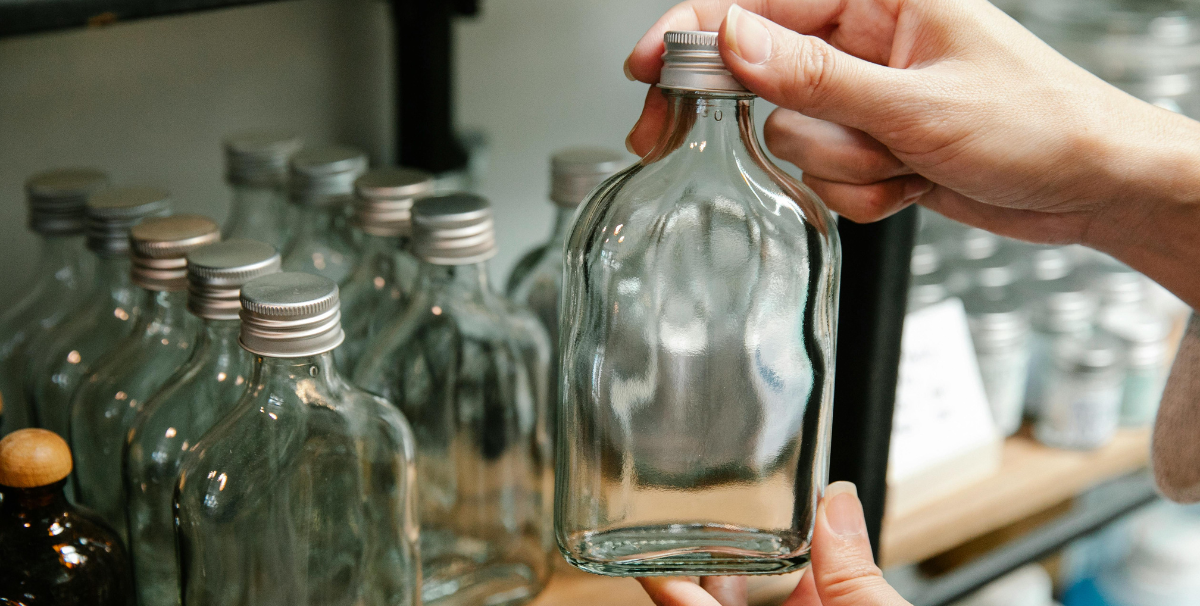 5 Reasons to use glass containers for food products
In a world where environmental awareness and product quality are becoming increasingly important criteria for...Read more
5 Reasons to use glass containers for food products
In a world where environmental awareness and product quality are becoming increasingly important criteria for...Read more -
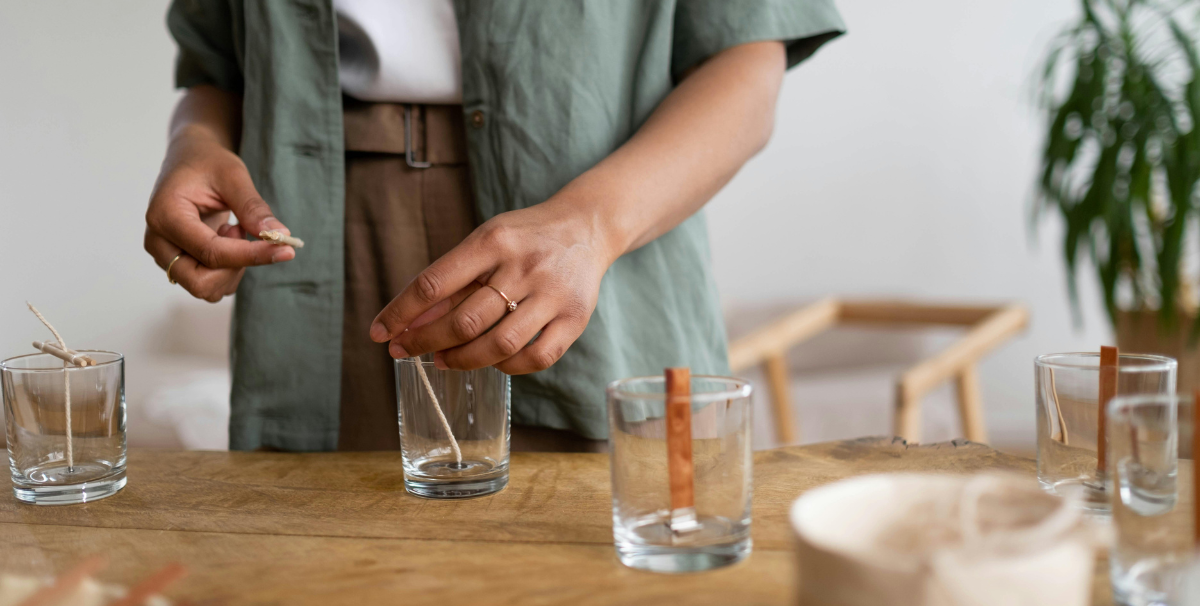 How to sell candles wholesale: 5 key steps to succeed
Candles are both timeless and trendy products, cherished by consumers for their warm ambiance and pleasant fragrance....Read more
How to sell candles wholesale: 5 key steps to succeed
Candles are both timeless and trendy products, cherished by consumers for their warm ambiance and pleasant fragrance....Read more